They were born asking why.Let’s make sure they never stop.
A personalised, mastery-led school for ages 2–12, where children learn deeply through inquiry, making and the real world.
One learning journey.
Designed to grow with them.

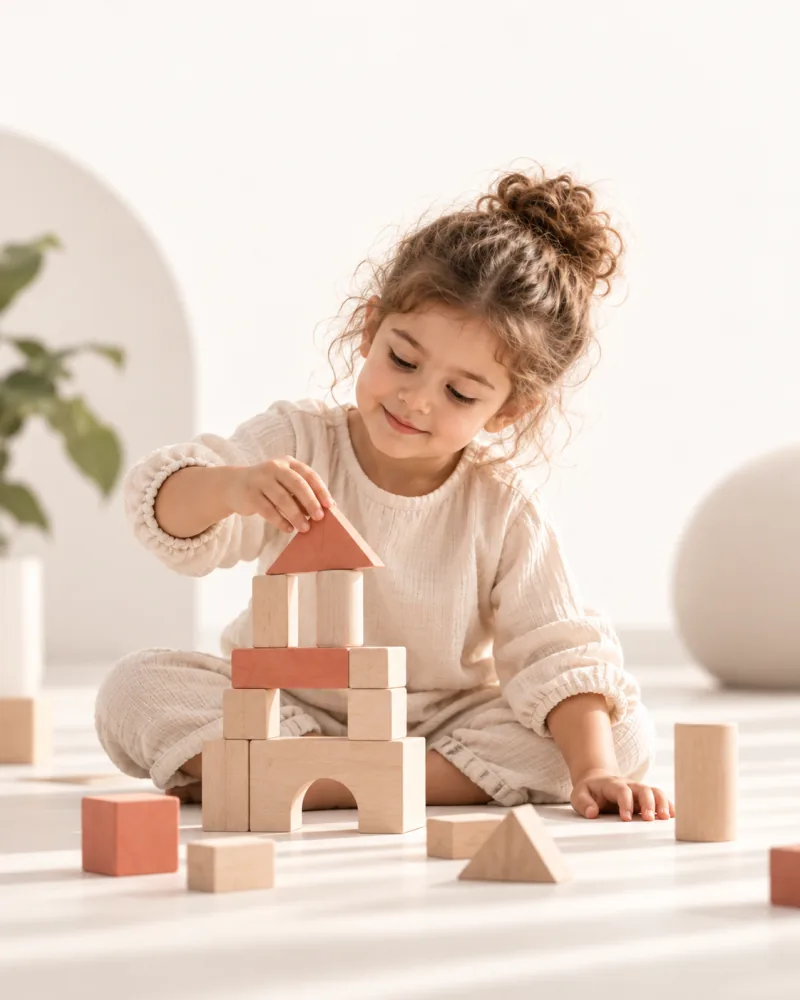
Junior Tribe
Discover
Children learn through play, movement and their senses, and begin to find words for what they notice.
Senior Tribe
Build foundations
Play becomes purposeful as children start reading, writing and working with numbers through stories and projects.

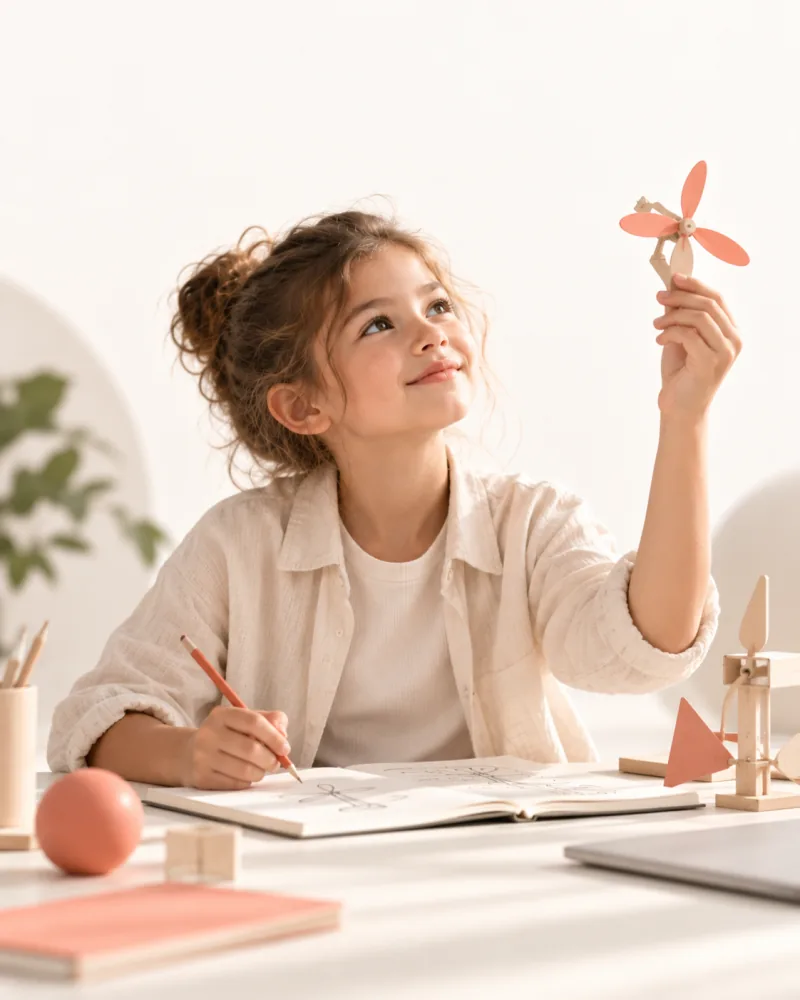
Explorers
Connect & investigate
Children read and write to think rather than to practise, and begin testing their own questions about how things work.
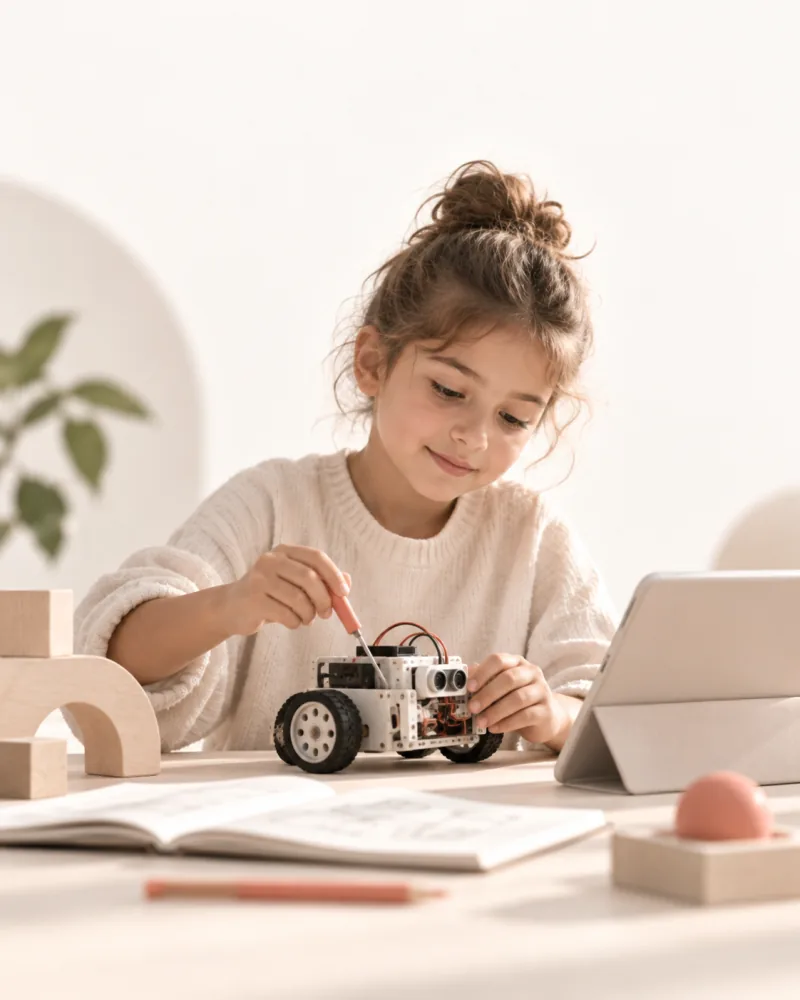
Pathfinders
Master & apply
Children take on longer, harder work — researching, solving problems and using what they know in real situations.
Challengers
Question & create
Children question ideas rather than accept them, build arguments from evidence, and make work that stands on its own.
Different in how we teach.
Rigorous about what they learn.
Mastery, not marks
We don’t ask whether the class has finished a chapter. We ask whether the child understands it.
Experiential learning
Ideas leave the page. Children build, test, perform and make — and when a child falls for something, they are helped to take it as far as they can.
Real-world connections
Children learn from the place they live in: its people, its work, its problems. They grow up grounded in the world around them, and ready to take their place in it.
Serious learning.
A remarkable childhood.
Language. Mathematics. Science. Humanities. Making. Arts. Movement. Life.
Not subjects to finish. Ideas to understand and use.
What understanding means here.
Every idea a child meets moves along the same five steps, from first encounter to using it unprompted. Nothing is marked finished because a term ended.
Small by design
One continuous journey, start to finish
Learning progress for each child
Visibility into your child’s progress
The world is part of the classroom.


No exams doesn’t mean no measurement.
Parents should never have to guess how their child is doing.
Daily observation
Educators notice understanding, misconceptions, confidence and participation as learning happens.
Learning evidence
Writing, projects, conversations, presentations and things children make show what they genuinely understand.
Portfolios
Families can see how a child’s thinking and capabilities develop over time.
Mastery tracking
Educators know what each child has mastered, what is emerging, and what should come next.
Parent conversations
Progress is discussed meaningfully — not reduced to a percentage on a report card.
The question isn’t what marks a child got. It’s what they can understand and do today that they couldn’t do before.
Ready for what comes next.
As children grow, we make sure they build the knowledge, competencies and learning habits to move confidently into the qualification pathway their family chooses — Indian or international.
The pathway can differ from child to child. The foundation should not.
Beautiful classrooms don’t create great education. People do.
Obi educators are facilitators, mentors, observers and teachers. Their job isn’t to deliver today’s lesson. It is to notice the child in front of them — to know when to explain, when to ask another question, when to offer support, when to create challenge, and when to get out of the way.
The questions that actually decide things.
Is Obi a school?
Yes. Obi is a full learning environment for children ages 2–12, combining strong academic foundations with personalised, inquiry-led and experiential learning.
What syllabus does Obi follow?
An internationally informed curriculum built around strong foundations in language, mathematics, science and humanities, alongside interdisciplinary inquiry and real-world application.
It keeps children ready for Indian and international qualification pathways as they grow.
Will my child be academically at par with children in conventional schools?
Academic foundations are a core priority here. We track each child’s understanding and progression continuously rather than relying on age, coverage or examinations.
The objective isn’t to cover content. It is to make sure children understand it.
If there are no traditional exams, how will I know how my child is doing?
Assessment happens continuously through observation, mastery tracking, projects, writing, conversations, presentations and portfolios — a far richer picture than a single score.
What happens if my child needs to move to another school?
We keep clear visibility into each child’s progression, so families understand their child’s readiness should they later move into another Indian or international curriculum.
Is Obi completely child-led?
No. Personalisation does not mean children choose whatever they want to do.
Educators set learning goals, teach directly when that is what’s needed, and make sure the essential foundations are built. Children get agency in how they investigate, apply and extend their learning.
Are academics less important because Obi focuses on projects?
No. Projects deepen understanding — they don’t replace knowledge. Children still build structured literacy, mathematics, science and humanities.
Come and see.
A website can explain the philosophy. The only way to understand Obi is to walk the campus, meet the educators, watch how children learn — and ask the difficult questions.